Corporate wellbeing
Yoga and mindfulness programmes for organisations
Structured, evidence-informed wellbeing programmes designed for teams, leaders and employee wellbeing initiatives. Delivered in London and online.
Why invest in employee wellbeing?
Work-related stress, anxiety and burnout are among the leading causes of long-term absence in UK workplaces. The Health and Safety Executive reported 22.1 million working days lost to work-related stress, depression or anxiety in Great Britain in 2024/25.
Deloitte's 2024 research estimates the annual cost of poor mental health to UK employers at £51 billion — through presenteeism, absenteeism and staff turnover. Well-designed employee wellbeing initiatives may contribute to engagement, retention and productivity when integrated within wider organisational support.
Yoga, breathwork and mindfulness can complement established approaches to workplace wellbeing. Regular practice may support stress regulation, focus and resilience — though outcomes vary between individuals and yoga is not a substitute for professional mental health care.

Programmes and formats
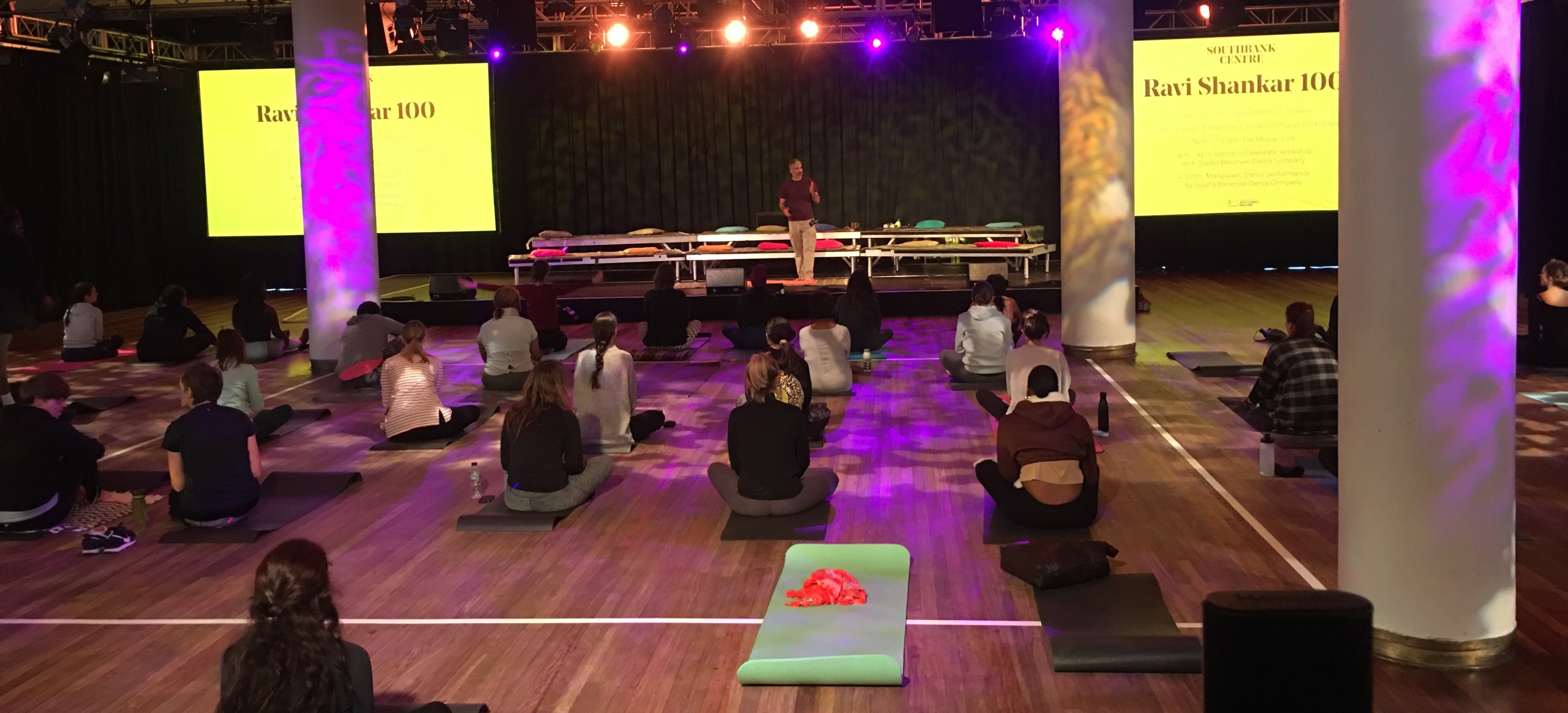
Workplace yoga sessions
Regular yoga classes for employees — in the office, at an external venue or online. Sessions are adapted to suit mixed experience levels and can be scheduled at times that work for your team.
In-person · London & hybrid
Breathwork and stress management
Focused sessions on breath-regulation techniques designed to support calm, focus and recovery during the working day. Practical, evidence-aware and immediately applicable.
In-person & online
Mindfulness programmes
Structured mindfulness programmes for teams or individuals, drawing on both traditional yogic practices and contemporary research into attention and emotional regulation.
In-person & online
Leadership and resilience workshops
Workshops for senior leaders and managers combining movement, breathwork and reflective practice to support sustainable performance and emotional resilience.
In-person · London
Wellbeing days and retreats
Half-day or full-day wellbeing events for teams, combining yoga, breathwork, relaxation and group reflection. Suitable for team-building, away days or dedicated wellbeing initiatives.
London & UK-wide
Bespoke programmes
Tailored programmes designed around your organisation's specific needs, culture and objectives. Includes initial consultation, programme design and ongoing review.
Flexible delivery
22.1 million
working days lost to work-related stress, depression or anxiety in Great Britain in 2024/25
HSE
£51 billion
estimated annual cost of poor mental health to UK employers
Deloitte, 2024
12 billion
working days lost globally each year to depression and anxiety
WHO
How it works
01
Discovery call
A free 30-minute conversation to understand your organisation's needs, culture and objectives.
02
Programme design
A tailored proposal outlining format, frequency, content and delivery approach.
03
Delivery
Sessions delivered in-person in London, at your premises, or online — with flexibility to adapt as you go.
04
Review
Regular check-ins and a programme review to assess impact and refine the approach.
Suitable for
In their own words
"Bhavin's twice-weekly lunchtime sessions are a perfect midday stress buster and a convenient opportunity for team bonding. For staff spending time at desks or traveling, these sessions have greatly benefited posture, concentration, and alertness. Bhavin takes into account medical concerns and injuries, delivering sessions suitable for mixed abilities. We would happily recommend him for employee well-being in the workplace."
Averil Eager
Director, Perenco
Corporate wellbeing programme · 2017–present
"I started yoga lessons with Bhavin a year ago. At the beginning, I could only manage simple stretches, but over the year I have progressed to much more advanced positions. His style of teaching is excellent and really helps you develop both physical and mental awareness. After each session, I feel energised and stronger, ready to take on the challenges of the day. I strongly recommend Bhavin as a yoga instructor."
Grazyna Jaworska
Senior Accountant, J Dauman
Workplace yoga participant · 2021–2024
"I am getting really positive feedback regarding your classes!"
Nicky Dunbar
Senior Fitness Instructor, Harrow School
School sport club · 2023-present
Discuss a programme for your organisation
I offer a free initial consultation to understand your needs and explore what might work best for your team.